 Nederlands
 Français
 Deutsch
What is toxic about robinia?
Robinia contains toxic substances, including toxalbumins (robin and phasin) and glycosides. They are found mainly in:
- the bark, especially the inner part
- the leaves and young shoots of a living tree
- the seeds in the pods, which contain toxic proteins and lectins
- the branches, which, like the leaves, are loaded with toxic proteins
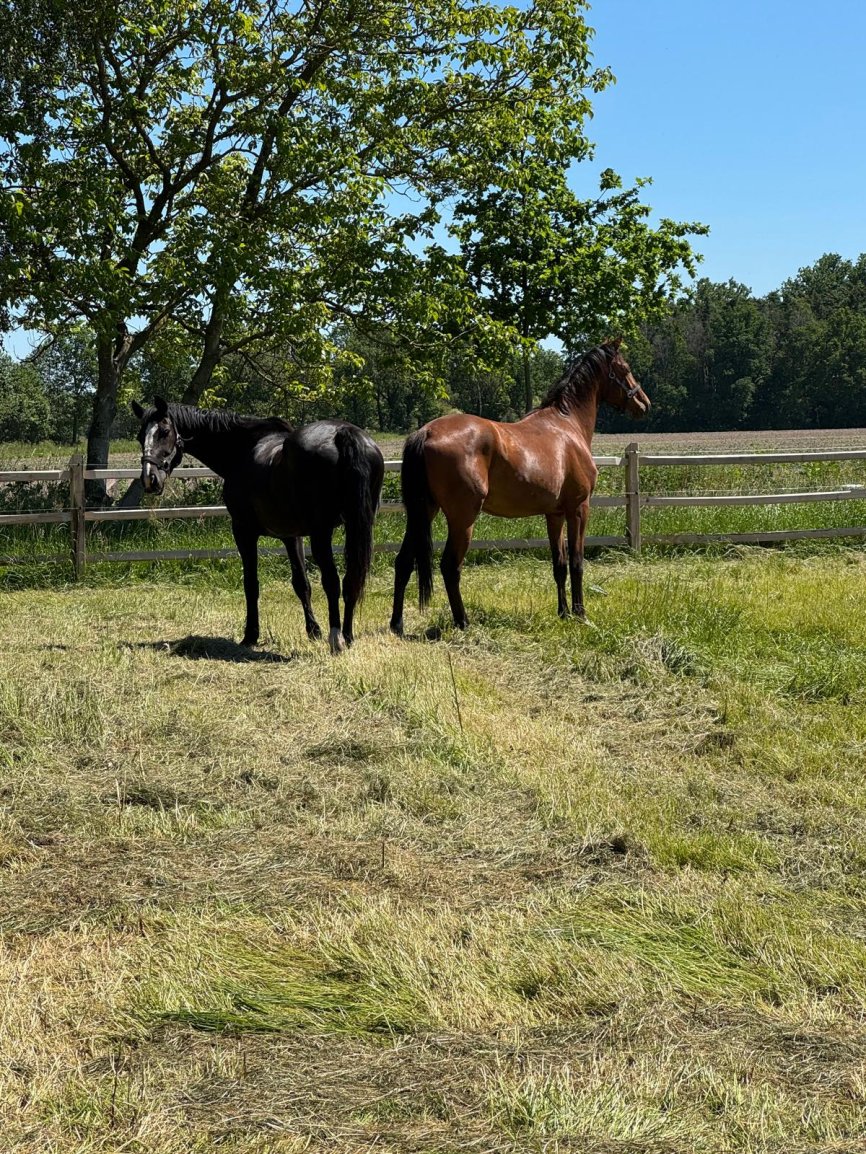
A horse that gnaws on a living robinia or on pruned branches can therefore be poisoned. Horses should never have access to living robinia trees.
Why is a fence safe?
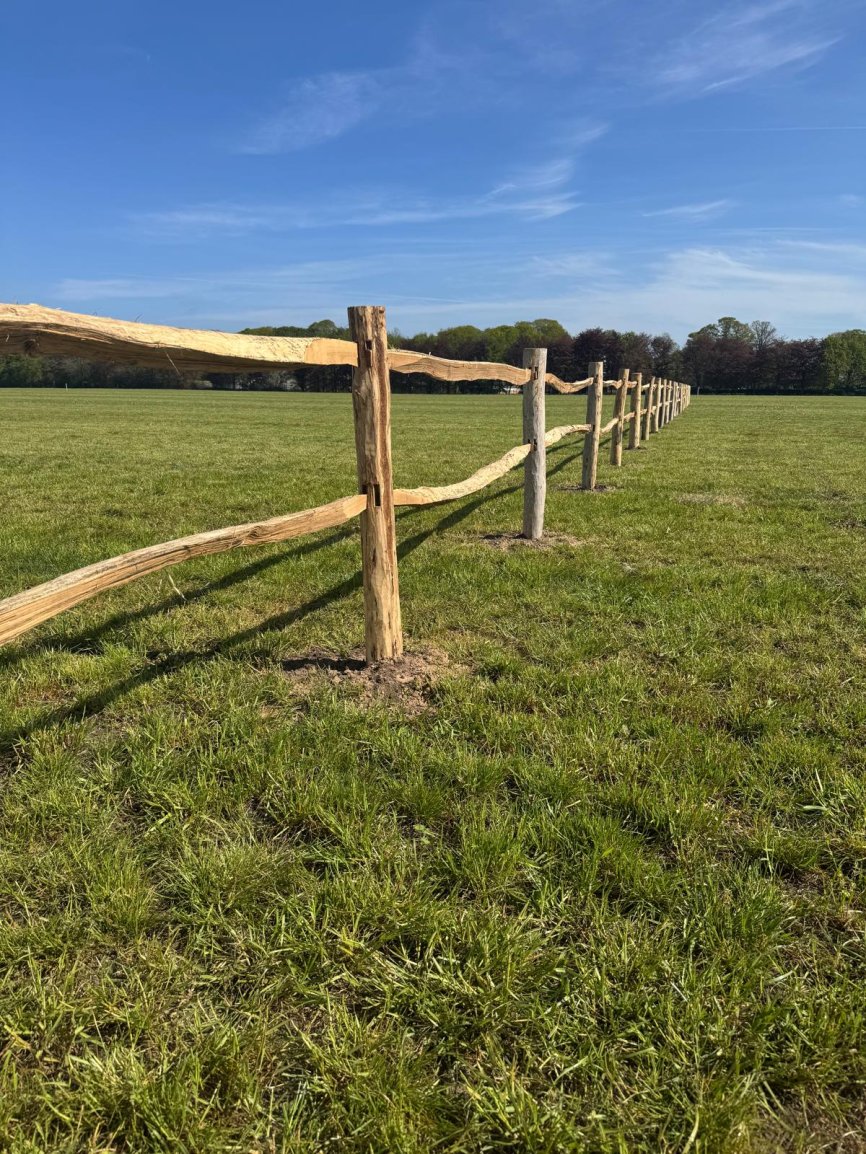
The risk lies in the bark, not in the wood itself. For fencing, robinia is debarked. That is why a fence made of split or sawn timber is safe for use in horse paddocks.
Three good habits for extra peace of mind
- Never leave robinia prunings in the paddock. Leaves, branches and bark are exactly where the toxins are.
- Make sure your horses have enough grass and roughage. A horse that gnaws on wood is often bored or not getting enough fibre.
- Offer safe chewing wood if needed. That gives the horse an alternative to your fence.
What if a horse has eaten bark anyway?
Do you notice lethargy, colic or other unusual symptoms in a horse that has eaten bark? Call your vet immediately.
Why choose robinia?
Once the bark is gone, an excellent fencing timber remains. Robinia is extremely durable, with a service life of up to 30 years without chemical treatment. It is weather-resistant and highly resistant to moisture, fungi and insects. It has a natural look and creates a rustic overall appearance that blends beautifully into the landscape.
Conclusion
Living robinia, with its bark, leaves and seeds, is toxic to horses. A fence made of debarked robinia is considered safe by experts. When ordering, check that all posts and rails are properly debarked, and make sure your horses get enough roughage. That way you can enjoy a strong, durable fence for many years.